
Spotlight - Left in Twain
GetMusic's artist spotlight features Left in Twain, sharing the story behind the music, the latest work, and what comes next.
Introduction & Background
Please introduce yourself and share a bit about your background.
I’m an electronic musician based in Denver, Colorado, recording as Left in Twain. I first began producing music in the late 1990s, although a decade-long hiatus took me away from it before I returned a few years ago.
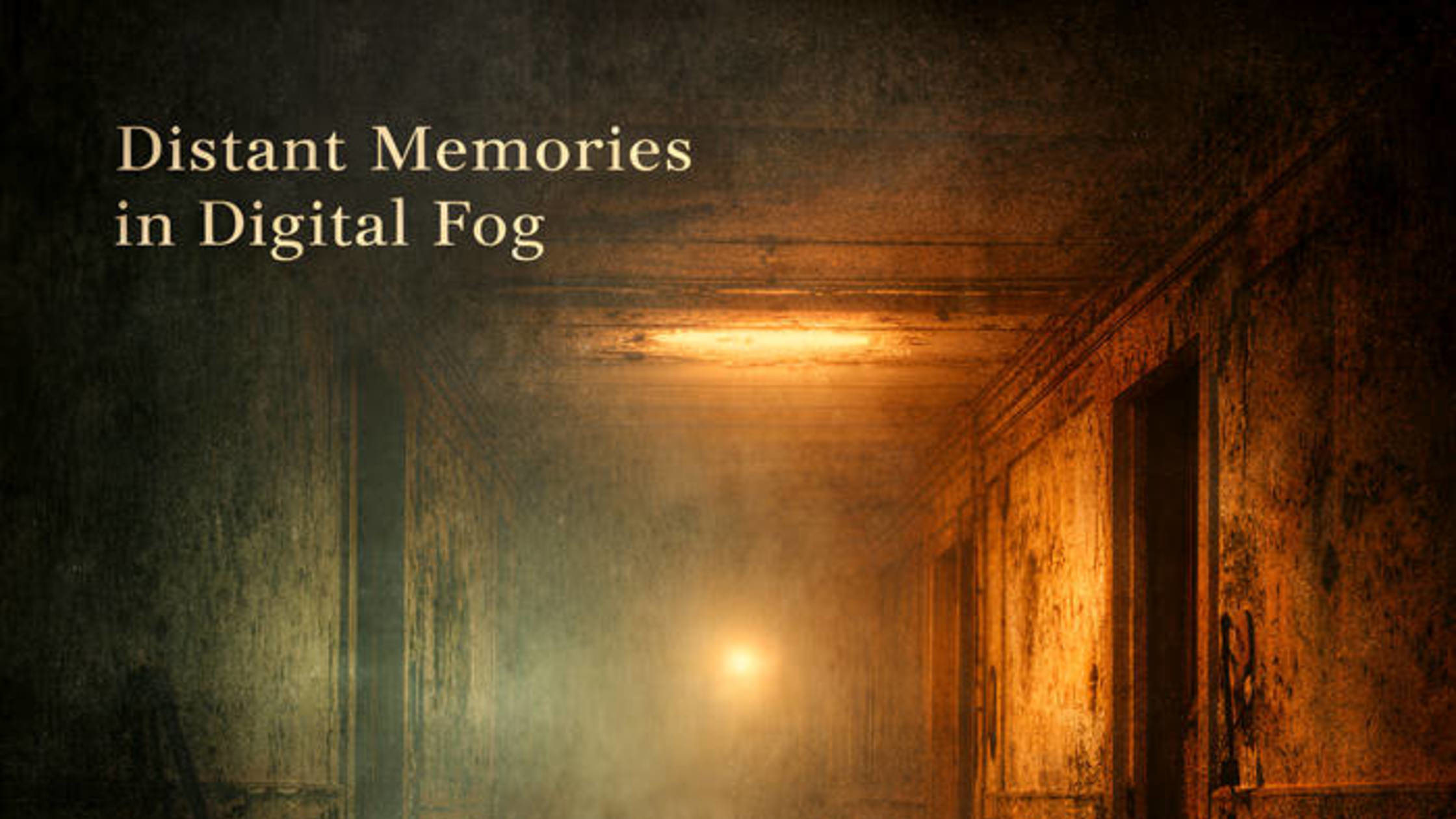
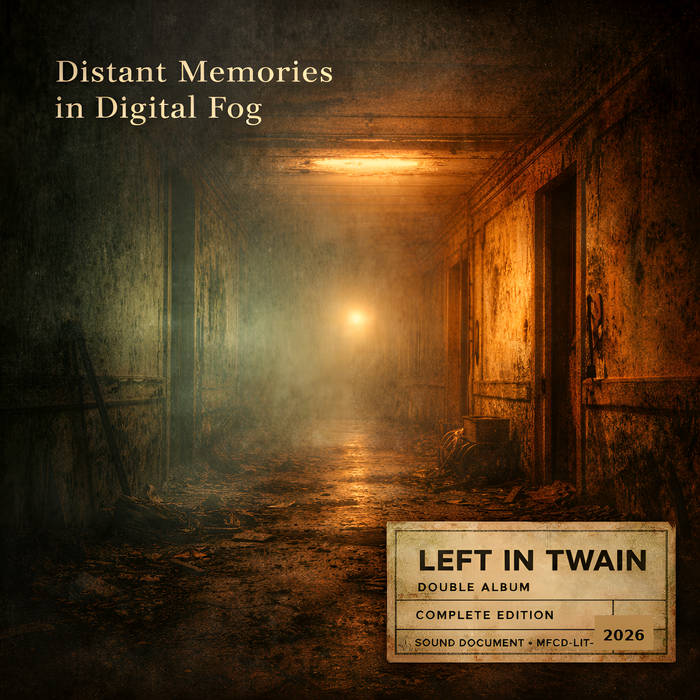
That return initially involved restoring and remastering older releases from whatever original source material had survived. Eventually, preservation turned back into creation, and last year I began writing new music again. Some of that work became *Distant Memories in Digital Fog*, a nearly two-hour ambient electronic album built around memory, isolation, deteriorating places, and the strange emotional weight that old technology can carry.
What's your musical origin story?
I was fascinated by music for as long as I can remember. I started playing percussion in elementary school, but the real turning point came on my 18th birthday in 1997, when a friend gave me a copy of Mixman Studio. From there, I was off to the races.
The first album I made eventually led to meeting the musical partner I worked with across several subsequent releases. Together, we progressed into Cubase and Orion Pro, and added our first hardware synthesizer: a Quasimidi Sirius. That period was where electronic music stopped feeling like an experiment and started becoming something I could build an identity around.
What were the driving forces or pivotal moments that inspired you to pursue music?
I had always loved music, but it was not until I discovered industrial music in the late 1990s that making it began to make sense to me creatively.
Front Line Assembly and Nine Inch Nails were the two major catalysts. They occupied very different ends of the industrial spectrum, both sonically and philosophically: Front Line Assembly showed me the possibilities of dense electronic production and atmosphere, while Nine Inch Nails demonstrated how intensely personal and emotionally direct that kind of music could be. Somewhere between those two approaches, I began to understand what I wanted to pursue myself.
Musical Identity
How would you describe your style of music?
Left in Twain is rooted in ambient and electronic music, with an emphasis on atmosphere, texture, and slow-building narrative. The sound often moves between warmth and unease, combining hazy synths, degraded digital textures, distant melodies, and environmental detail.
I tend to think of the music less as a collection of songs and more as a series of places, memories, or scenes that the listener gradually moves through.
How is your personality reflected in your work?
I don’t think you can make something meaningful without putting some part of yourself into it. My music tends to reflect the way I process memory: imperfectly, emotionally, and often through fragments that become more significant with time.
There is a lot of introspection in Left in Twain, along with nostalgia, isolation, unease, and a tendency to imagine each piece as part of a larger narrative. I could explain where all of that appears, but I would rather invite people to listen and find their own meaning in it as well.
Describe your creative process when you write new music.
There is no single system. I spend at least an hour every day writing, improvising, and experimenting with new demo ideas. Sometimes that begins with a melody or chord progression; other times it starts with a sound, texture, rhythm, or atmosphere that suggests where the piece should go.
I try not to force every idea into completion immediately. Some demos reveal themselves quickly, while others sit for months before I understand what they need. I currently have close to 100 unreleased pieces in various stages, and I plan to release /some/ of that material over time.
Current Work
What is the name of your latest release?
Distant Memories in Digital Fog
What was the inspiration for that release?
The album began as an attempt to write an unofficial score for Silent Hill 2, one of my all-time favorite video games. Around the same time, the game was being adapted for film through Return to Silent Hill, and a full remake was released for current-generation consoles while I was still composing. The film, while ultimately unsuccessful, was released shortly before I could finish the album.
That convergence brought the world of the game back into focus for me, but the project gradually evolved beyond a direct tribute. It became its own story about memory, grief, isolation, and places that seem to retain traces of the people who once moved through them.
What challenges or unexpected moments did you encounter during the writing/recording process?
As the project began to take shape, what I had imagined as a single album gradually expanded into a double album. The pieces started developing in increasingly personal directions, and I found myself weaving elements of my own experiences into the storyline I was using to guide the record.
The original Silent Hill 2 concept also widened to draw inspiration from the first several games, although I never wanted the album to function as a literal retelling of any of them. Instead, I created an original story in my head and approached the music as though I were scoring that unseen film.
The album is intended to be heard chronologically, but the narrative is deliberately left open enough for listeners to construct their own version of what is happening. The final track serves as the end-credits theme, closing the album as though the story has reached the end of a film.
Promotion & Engagement
What strategies do you find most effective for promoting your music?
I’m still figuring that out, but direct conversation has been the most natural approach for me. I talk about the music whenever I encounter someone who seems genuinely interested, and I try to place it in front of communities that are already receptive to independent electronic and ambient work.
Platforms such as GetMusic are particularly useful because they give listeners a low-risk way to discover something new, while giving artists an opportunity to build a more direct connection with the people who respond to it.
How do you engage with your fans online and offline?
Through conversation and listening. I try to respond when people take the time to engage with the music, and I’m interested in hearing what they found in it rather than simply telling them what they were supposed to hear.
Online, that usually means direct exchanges with listeners and other artists. Offline, it is often more informal: talking about music, sharing recommendations, and letting those conversations develop naturally.
What upcoming promotional activities or releases are you most excited about?
I’m especially excited that Left in Twain is already beginning to move beyond this album. I have started writing demos for the next soundtrack-style project, and I was recently approached about the possibility of music from Distant Memories in Digital Fog being used in a documentary.
Outside of Left in Twain, I'm working on several follow-up singles for Hexagram Sam, my main project, as well as a full-length Fascinohma album following an earlier single. I have also begun developing an industrial project featuring vocals and am currently finishing a score cue for a friend's student film.
There is a lot in motion, but the common thread is that I am writing more consistently than I have in years and finding new contexts for the music to exist within.
How can folks contact you?
You can find my music at mfcdaudio.com, which currently redirects to mfcd.bandcamp.com.
On Instagram, I’m at @hexagramsam and @makesteethhurt.
For direct contact, email helloworld@mfcdaudio.com
Any additional insights?
A few artists I've been especially interested in lately are Spectre Horsemen Pale With Dust, MIRAR, and JAMBINAI.
They are very different from one another, but all three create music that feels immersive, physically intense, and strongly tied to atmosphere. I'm always drawn to artists who can make a piece feel like an environment rather than simply a song.
“An alternate take on a score for the world of grief and solitude that is Silent Hill”