
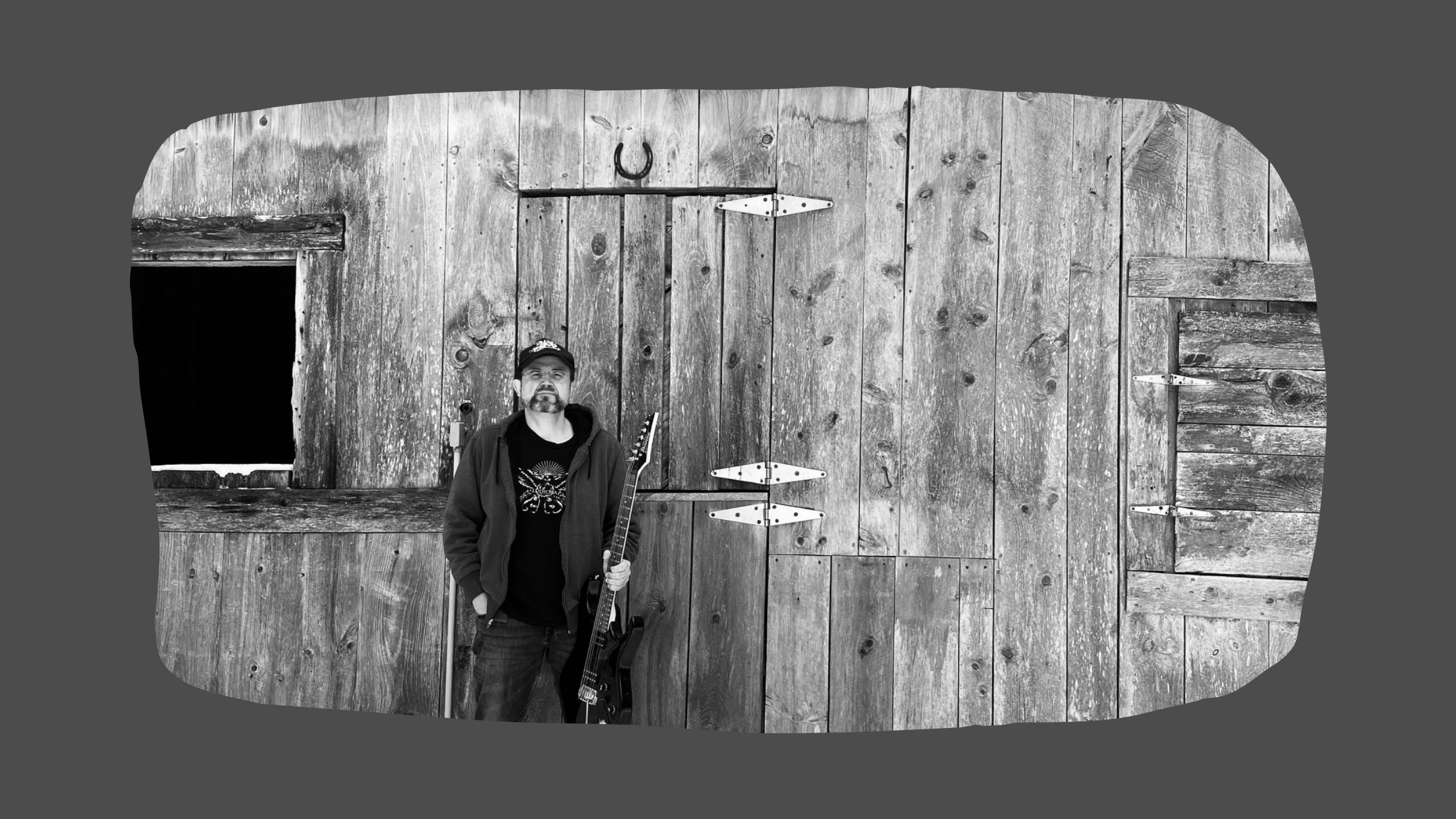
Spotlight - Buzzard
Please introduce yourself and share a bit about your background. Tell us a bit about yourself. (Location, artist name, the works!)
I live in the eldritch hills of Western Massachusetts. In my one-man band Buzzard I go by my full name Christopher Thomas Elliott so I don't get confused with the Guy Under the Seats, comic actor Chris Elliott. I've been writing songs and performing them solo since the late 80s and with my life partner Lisa in the duo Austin & Elliott since 2001. I have two cats, eight turntables, hundreds of books (mainly weird fiction, sf, music, poetry) and thousands of CD and vinyl records (mainly metal, prog, rock, soul/funk, classical, jazz, blues, folk.) My day job involves teaching English to immigrants and refugees, a perspective which informs my most recent record.
What's your musical origin story? (When did you start? What inspired you?)
As a kid the first records I bought included the 45 of "Back in Black." I remember sitting in my quiet home as a secluded only child, dropping the needle for the first time, headphones settled around my ears, and Angus Young's guitar riff exploding in my brain, opening up a whole world of power and possibility. AC/DC led to Sabbath and Priest, setting me on track to be a lifelong metal listener.
In terms of creating music, I played instruments - first cello and violin and then trumpet - all through school, and as a boy my parents and I would often visit my maternal grandparents, who had an organ where I loved to sit and experiment with sounds.
Since I listened to rock, in high school I got an electric guitar, learned "Crazy Train" and "The Sentinel" like everybody else, but felt driven not to master the instrument but to compose songs, which I recorded on a makeshift studio constructed with a tape deck. At this point, I was mostly inspired by my records: Voivod, Metallica, Trouble, etc. on the metal side, plus Zappa, Robyn Hitchcock, REM, though not much folk yet. Since I spent so much time alone, I would sit, draw, and write rhymes in my notebook, often silly and satirical.
College was when I discovered that Bob Dylan wrote badass songs like the doomy "Masters of War" and wry "Talking Third World War Blues."
What were the driving forces or pivotal moments that inspired you to pursue music?
It's hard to pinpoint a pivotal moment, as I've been doodling and writing for as long as I remember; it's just what I do. I suppose in my twenties the image of the lone troubadour is what inspired me to bring my songs to the stage as a solo artist.
It wasn't until college that I owned an acoustic guitar and got serious about writing songs. By serious, I mean the songs were mostly funny but I took crafting every word and note seriously. My happy place is the creative process, going from a kernel of an idea to a polished composition.
Pursuing music as a career, understood as such, is not so much the point. What I'm pursuing is the creation of a singular body of work, whether or not it makes a dime or a difference to people now, posthumously, or never.
On a more practical level, the advent of home recording technology, especially in terms of drum programming, is what led me to finally pursue my dream of making metal music.
How would you describe your style of music?
My elevator pitch is: What if Bob Dylan listened to Black Sabbath and read H.P. Lovecraft? As Buzzard, I'm a one-man doom folk metal band, combining heavy riffs and narrative storytelling. The lyrics draw from folk traditions, metal tropes, weird fiction, and satirical stand-up. My formative influences include socially conscious bands like Nuclear Assault and the Dead Kennedys, whose music has the intensity to match the message; in a similar way, I'm using heavy rock as a foundation for singer/songwriter compositions. Whether protesting, lamenting, or commenting, the songs can have more variety and oomph.
How is your personality reflected in your work?
This is outsider music with a singular point of view. I'm an only child who has observed human society with a skeptical eye, from the playground to the political arena. I don't join groups. My music reflects my sense of humor and point of view on the world 100%. The voice and vocabulary is the same. I speak in conversation like how I write in my songs, just without the rhyming.
One notable difference might be that I'm a calm, non-confrontational person, to the point of sometimes being passive to a fault. I'm Mr. Go Along to Get Along. That's not Buzzard's vibe, which is where I pour anger, punch back at the bullies, and damn things to hell. I find comfort and catharsis in creating brutally honest, dark, doomy music.
The tension of folk and metal in my music mirrors the tensions in my personality between Mr. Nice Guy versus "Fuck you, I won't do what you tell me."
Describe your creative process when you write new music.
Songs usually begin with a single line, often a couplet or a phrase, expressing a feeling, concept, or point of view. From that seed, a musical setting, lyrical narrative, and message grows. I use acoustic guitar to compose chord sequences and electric guitar for riffs. Sometimes I run music in my head while I type out lyrics.
Many songs I begin recording before I've finished writing them; as long as I have a broad sketch of the form (e.g., verse, chorus, half-time bridge, quiet interlude, fast outro, etc.) I can start assembling the plane during take-off and continue building in the sky. Sometimes I parachute out of the plane and delete the song; sometimes I replace the whole plane mid-air to land with a radically different song, and sometimes I arrive at a destination not unlike that which I imagined at the start of my journey.
The creative process can go anywhere, including nowhere. A song could take 5 days or 10 years.
I revise relentlessly, especially with the words. By the final print, I have labored over every syllable, experimented with dozens of vocal overdubs, and listened to countless playbacks in my car, on headphones, and on studio speakers. I keep track of song ideas on my phone by humming voice memos, typing lyrics on my phone, and managing hundreds upon hundreds of Google docs. I overthink, then worry that I overthought, and then plan my next spontaneous move with great deliberation.
What is the name of your latest release?
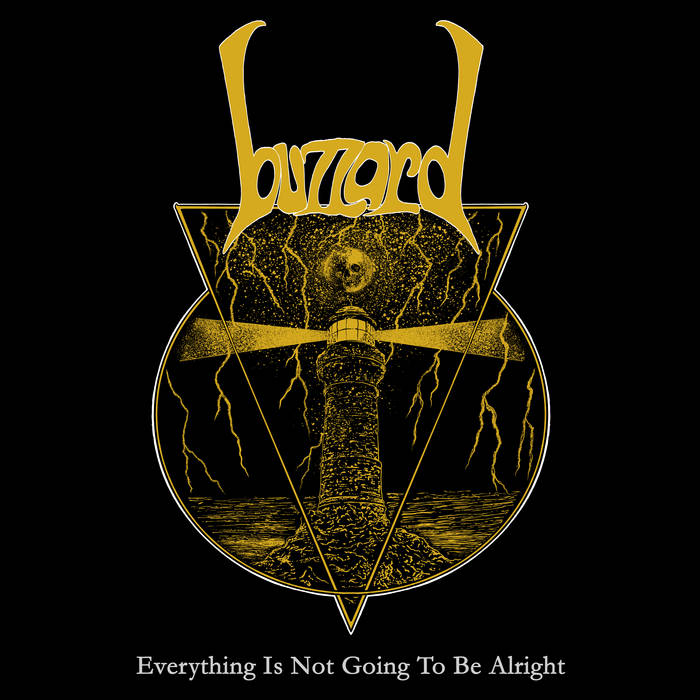
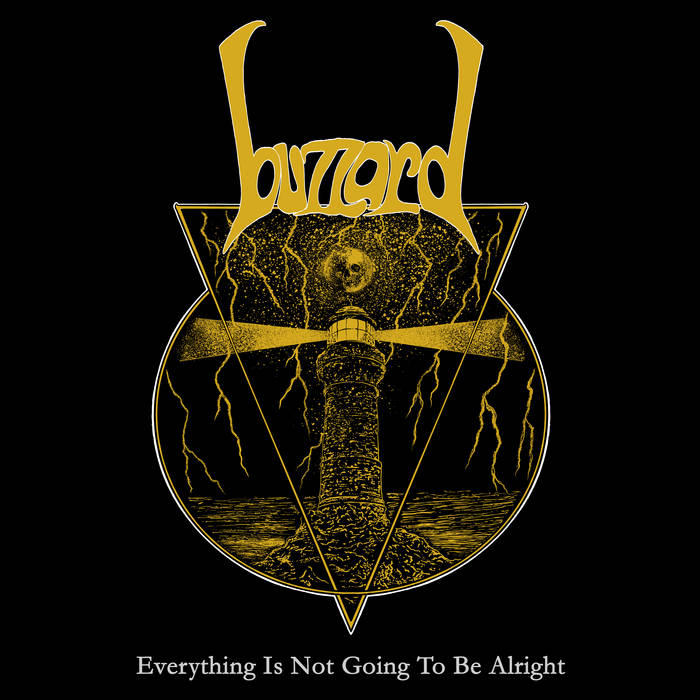
Everything Is Not Going To Be Alright. Both political and personal, the songs speak of modern America with honest outrage and satirical venom. Meanwhile, a Lovecraftian cosmic menace looms. Musically, the full-band arrangements mix heavy fuzzed-out riffs with acoustic guitars and classic keyboards. Woody Guthrie has risen from the grave, and he's pissed.
What was the inspiration for that release?
My day job includes teaching English to immigrants and refugees. Last spring there was a globally reported incident of ICE kidnapping a former student of mine in Boston. Watching the video of her being bumrushed by masked soldiers on the front page of the New York Times was visceral, chilling, and enraging. In retrospect, the record started with that moment.
The next week I created "Fever Breaks." The song was me venting just for myself, not to release it to the public. Besides the catharsis, I was also interested in whether I could make such an explicitly political and confrontational song work as a song and not just sound like me ranting and raving and acting belligerent towards those whom I despise. Like Todd Snider said, I don't write to change your mind, but to ease my own mind.
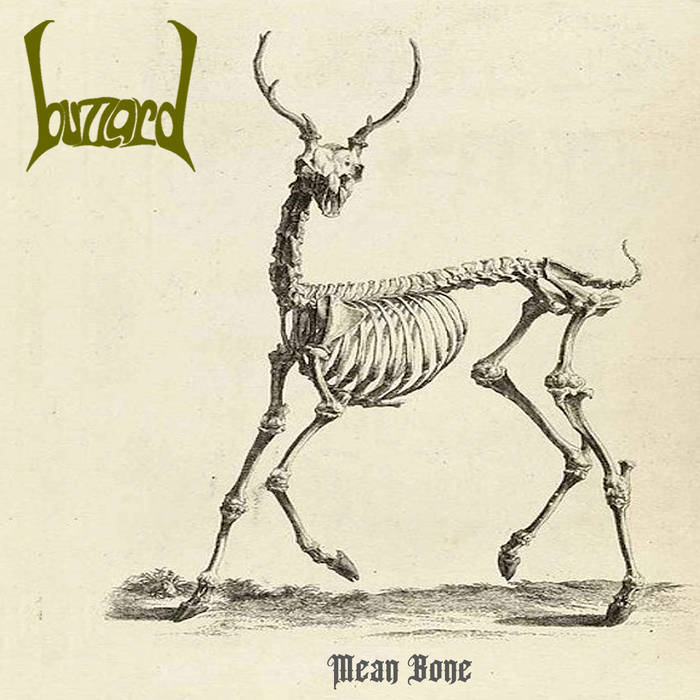
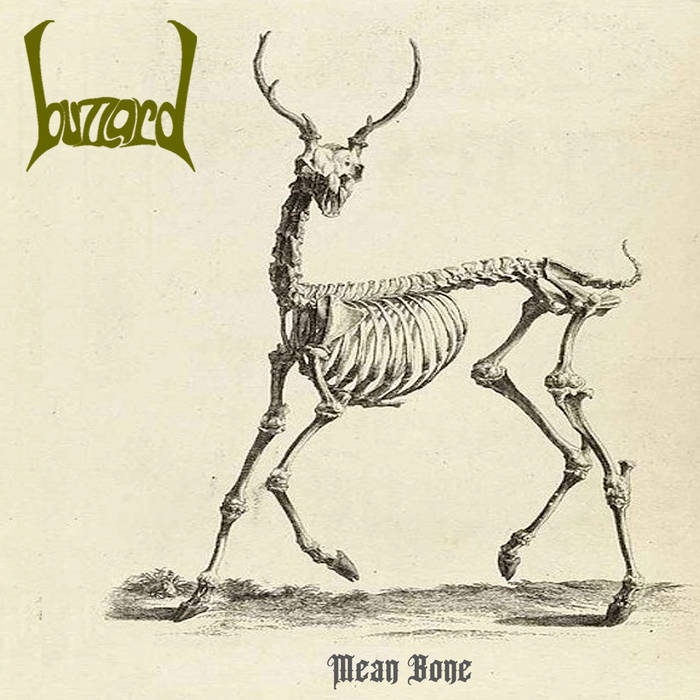
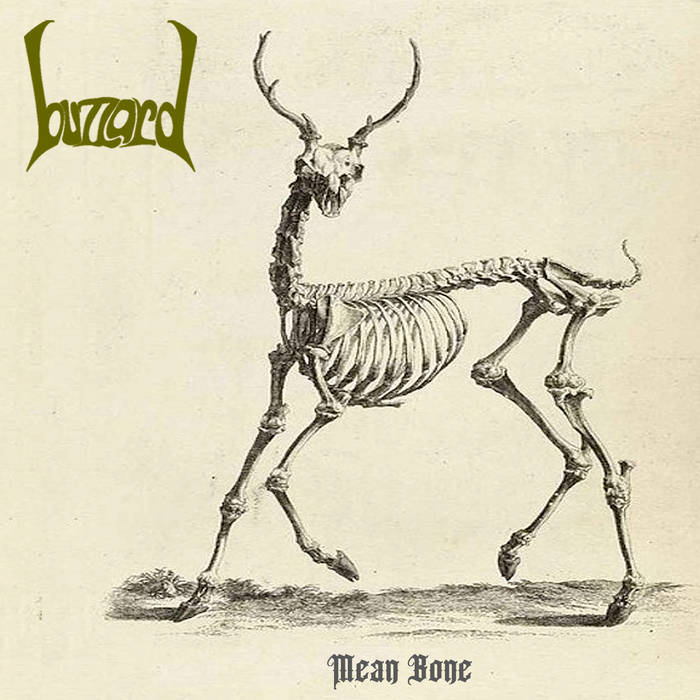
About the same time, I created "Terms and Conditions Apply," and then "This Land Is Your Land (Until It's Not)." I started thinking about putting all these new explicit protest songs into a punchy EP. My previous album Mean Bone is long and sprawling, maybe too much to a fault, so I wanted my next release to be short and concise.
Looking back, the second spark was when the couplet "Ever since 2024/I don't give a fuck no more" popped into my head, hitting me like a ton of bricks, and all my feelings about Trump's reelection and the state of the world poured out into a new song.
What challenges or unexpected moments did you encounter during the writing/recording process?
On a practical level, midway through the recording I updated my studio from a laptop to a desktop with a better DAW, plug-ins, and MIDI keyboards, so there was a learning curve there. "Lunatic Lighthouse Keeper" is the first Buzzard song recorded from the ground up with my new set-up, featuring new guitar tones and mellotron.
Artistically, the big question was whether I actually wanted to release such an explicitly political, which-side-are-you-on record. I'm not necessarily comfortable with confrontation. However, I'm also interested in music that's extreme and provocative. But nonetheless I would hate to upset people - and yet I got stuff I want to get off my chest.
My comfort zone is on the outside of the fray, observing. Would I come across as preachy and self-righteous? What if the heavy music can help make heavy-handed lyrics work? What if I dispense with any pretense at subtlety but dig deep into the intensity of plainspoken declarations?
I spent a lot of time writing these songs to reflect a range of internal dialogues, from the polemical to the confessional. The singers of these songs rage, plead, mock, self-reflect, weep, wail, mutter, curse, croon, self-deprecate, lament, describe, joke...
These songs are full of things I would never say in person. But here I am, saying them in songs to the widest possible audience. Was I sure I wanted to do this?
What strategies do you find most effective for promoting your music?
The hub of my music promo is Bandcamp and Instagram. That's where I've made the most connections and found the most fans.
A key strategy which I sort of stumbled into is the fact that my niche, luckily, has an existing infrastructure of listeners, writers, and sites to tap into. That's the advantage of working within a clearly defined genre, especially one that attracts passionate fans, which I am. I'm a fan first, artist second, so entering the genre online felt authentic and organic.
When I put out Buzzard, I had no idea there was a thing called the Doom Charts, which is a network of bloggers, reviewers, and journalists that artists can submit to and immediately have a shot at being heard. In this niche, an artist can avoid that dread experience of watching their music quickly sink into the void without a trace.
Promoting within an established niche may or may not springboard you into global stardom, if that's what you want for some reason, but it's rewarding and fun. I'm not aiming to become a huge mainstream artist; that's not who I am. Would you rather be a top 10 artist for 100 hardcore fans or a top 100 artist for 1000 casual fans? Neither may pay the bills, but I dare say most DIY independent artists will find the former both more rewarding and realistic to achieve.
How do you engage with your fans online and offline?
Bandcamp, Instagram, Facebook, Ampwall, TikTok, and Bluesky. I make a point to respond to every message or comment, even if it's just a thank you and emoji, though I try to make time to do more. I want to be a positive member of the music community. I try to be real. I enjoy connecting with likeminded folks.
Also, I hesitate to think of people as "fans." In fact, I'm profoundly uncomfortable thinking of fellow humans as "fans" or thinking of myself as an "ARTIST" with "FANS." Maybe I suffer from imposter syndrome, but I feel like a megalomaniac perceiving a listener as "MY FAN." To paraphrase Bill Hicks, the world is already too full of fevered egos contaminating our collective consciousness. I take my music seriously, perhaps obsessively and dangerously so, but that's where my artist persona ends.
Offline, I haven't had too much engagement with fans yet as the Buzzard guy, as I've yet to perform this material live, though I'm slowly and organically evolving towards that possibility. So, I've yet to meet Buzzard fans in real life. If that happens, I'll just do my best to listen and chat and not make things weird by being socially awkward or trying too hard, ha ha.
What upcoming promotional activities or releases are you most excited about?
I've added 3 new songs to the 7-song Everything Is Not Going To Be Alright to come out on CD in late February and cassette this Spring, available from me on Bandcamp. In March I'm releasing a new acoustic mix of "Take the Tyrant Down" as a single with a new acoustic track as a B side, "Hunchback, Vicar, and Wizard." Basically, the focus remains creating and releasing new music.
How can folks contact you?
- Email: ctesongs@gmail.com
- Instagram: @buzzard_doom_folk_music
- Bandcamp: buzzarddoomfolk.bandcamp.com
Is there anything else of interest that we should have asked about?
I'll just add that I have a lot more music written and/or recorded, so stay tuned by following Buzzard Doom Folk on Bandcamp and Instagram, my two most active platforms. At least three more albums are forthcoming in the next few years. On a non-musical note, I have a young adult epic poem about a boy battling a fly, the first part of which is self-published here: Ferding and the Fly.
Featured artist
Buzzard (Doom Folk Metal)
“Stoner doom sci-fi fuzz monster “Mount Din,” in which an alien bio-creator assesses the wreckage of their latest failed evolutionary experiment, Homo sapiens.”
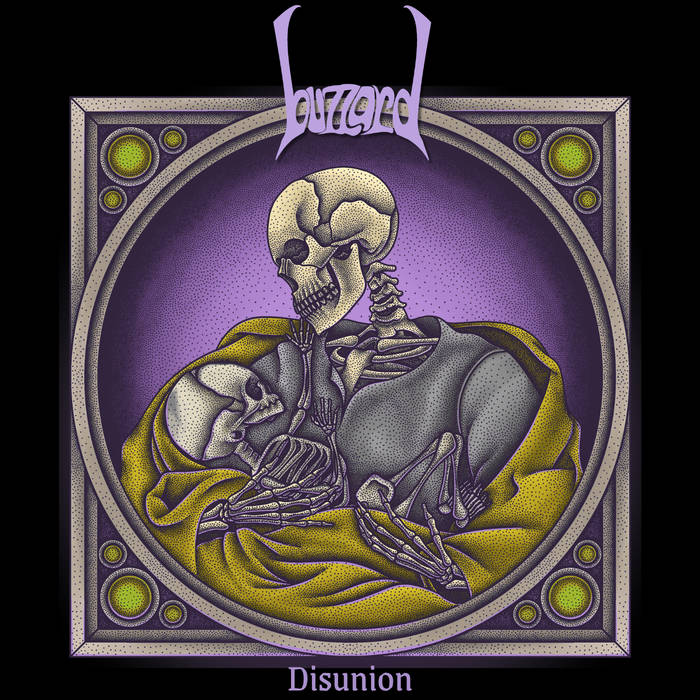
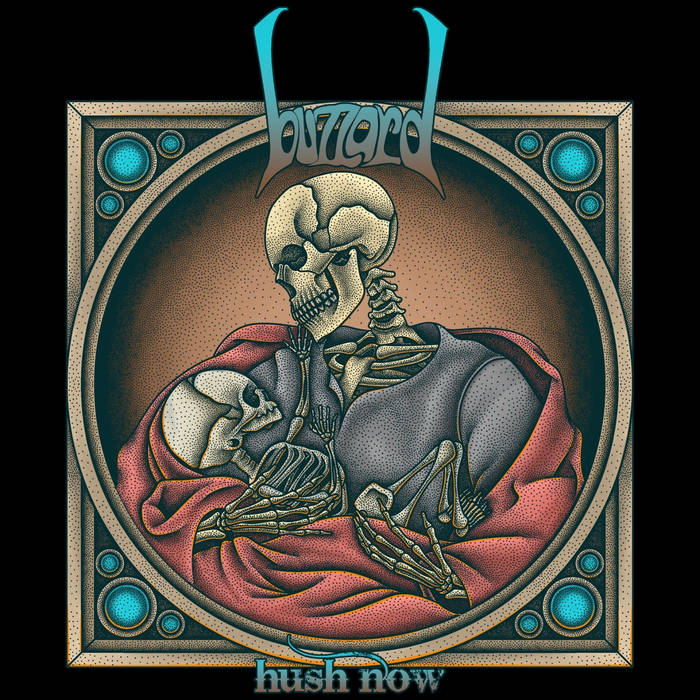
“Lead single 'Disunion' from upcoming LP Hush Now (out 10/16) by Buzzard, in which the doom troubadour delivers a state of the planet address to the void above.”
“Both soulful and sarcastic, this bluesy, doomy stomp pulls zero punches with its social commentary.”
“Both timely and timeless, “Take the Tyrant Down” is a classic protest song written from the point of view of a people breaking from oppression.”
“Political protest doom folk metal pulls no punches.”
“Politically charged anthem 'Doom Folk Fury' pulls zero punches.”
“Beak but catchy lead single from the critically acclaimed 13-track protest doom folk metal album Mean Bone.”
“What if Bob Dylan listened to Black Sabbath and read H.P. Lovecraft?”
“Incendiary lead single from the politically charged 7-song doom folk metal EP Everything Is Not Going To Be Alright, out 11/7.”
“Meet the ultimate villain. Told as a dialogue between a killer and his victim, this doom folk ballad depicts human evil as a brew of entitlement, grievance, and sheer lunacy.”
“Catchy doom pop takedown of a narcissist with a nihilist twist. 'Pointedly Mars Red Skyian fuzz of centerpiece/highlight “Twisted Love” genuinely stand {s} out.' - The Obelisk”
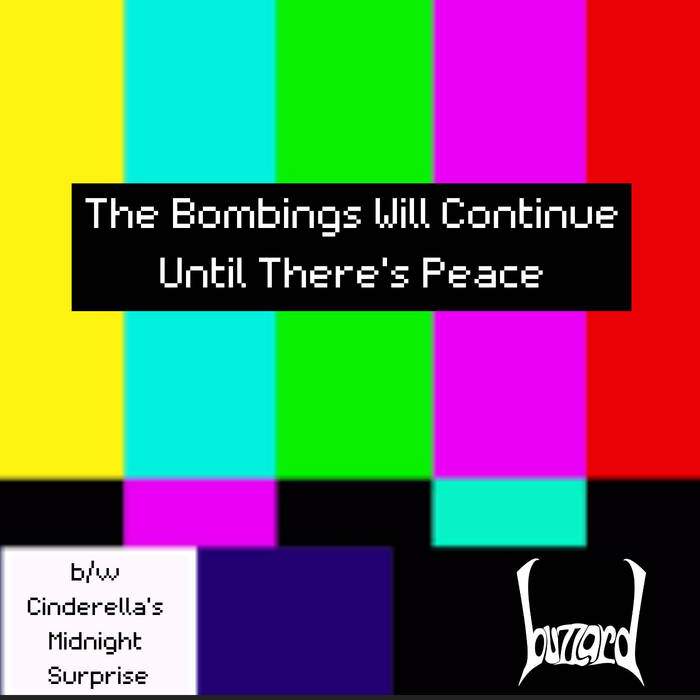
“Doom folk metal artist Buzzard drops new war-themed 2-song single: heavy anthem “The Bombings Will Continue Until There’s Peace” b/w acoustic tale “Cinderella’s Midnight Surprise.””